
How to Check If a Phone Number Is a Scam: 7 Practical Steps

How to Check If a Phone Number Is a Scam: 7 Practical Steps
An unexpected caller says there is a problem with your account. A text asks you to confirm a payment. Or an unfamiliar number keeps contacting you without explaining why.
How do you check if a phone number is a scam?
Start by investigating the number, then verify what the person is asking you to believe or do. A reverse phone lookup can provide useful context, but no number check alone can establish that a caller is trustworthy.
The following seven steps help you assess an unfamiliar number before replying, sharing information, or making a payment.
1. Examine the Request Before Investigating the Number
Begin with a simple question: What does this person want me to do?
A caller’s behavior can be more revealing than their area code or displayed name. Warning signs include pressure to make an immediate decision, threats intended to frighten you, or demands to pay using gift cards or cryptocurrency.
Write down the caller’s claim in one sentence. For example:
“Someone claiming to represent my electricity provider wants a payment today.”
That gives you a specific claim to verify. You can check your actual account instead of trying to decide whether the caller sounds convincing.
2. Search the Full Phone Number Online
Copy the complete number, including its country code, and search for it online. Try it with quotation marks, then without them.
Look for an official business contact page or other public information that helps explain the contact. You can also search the number alongside words such as “complaint” or “scam.”
Evaluate the results carefully:
- Does the source identify where its information came from?
- Is the information recent?
- Do several reports describe the same behavior?
- Does an official website confirm the business connection?
An anonymous accusation is not proof. Equally, a number with no complaints is not automatically safe.
Your goal is to gather context, not turn the first search result into a verdict.
3. Run a Reverse Phone Lookup
If a web search leaves questions unanswered, try a reverse phone lookup with CatchNumber.
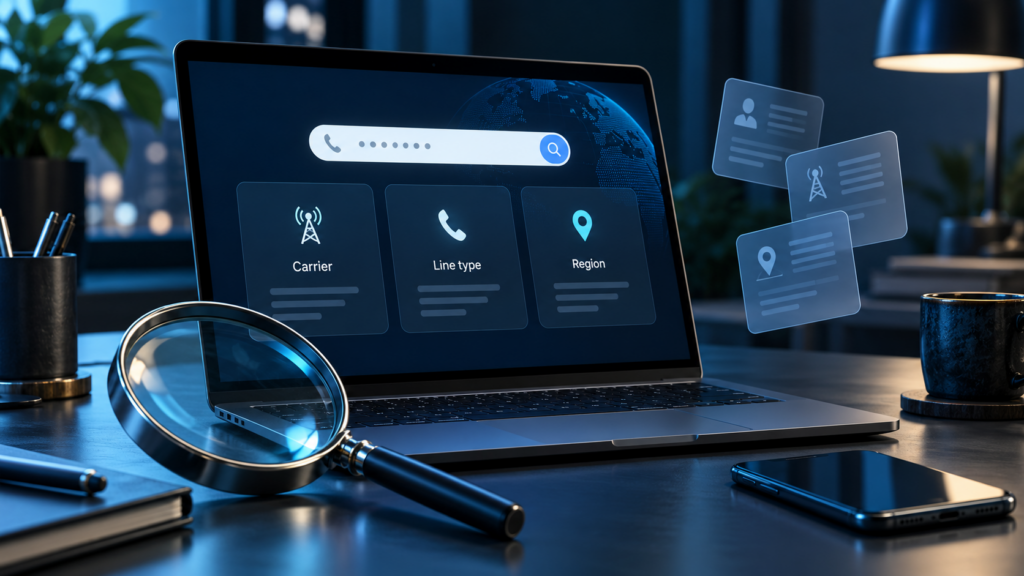
CatchNumber describes its lookup service as providing telecom and public-web signals. Its initial checks include information such as number validity, carrier, line type, and region, where available.
These details can help you compare the number with the caller’s story. However, they answer different questions:
| Information | What it helps you understand | What it does not establish |
|---|---|---|
| Number validity | Whether the number meets the service’s validity checks | Whether the person contacting you is honest |
| Carrier | The network associated with the number | The caller’s identity |
| Line type | How the number is classified | Whether it is being used for fraud |
| Country or region | Geographic numbering context | The caller’s current physical location |
| Public-web information | Published associations involving the number | Who actually sent a particular message |
A result is most useful when it supports something you can verify elsewhere.
4. Account for Caller ID Spoofing
A familiar-looking number can create false confidence.
Scammers can falsify caller ID information so a call appears to come from a different number.
This creates an important limitation: a lookup can find information about the displayed number without identifying the actual caller.
Suppose a search associates the number with a real company. That is a reason to contact the company independently, not a reason to accept the caller’s payment instructions.
Do not accuse a listed number owner solely because their number appeared on your screen.
5. Verify Through an Independent Contact Channel
Check the claim somewhere the sender does not control.
If the message concerns an order, open the retailer’s app or your original order confirmation. For an account issue, use the organization’s official app or a contact number you already trust.
An original example:
You receive a message saying a parcel needs a small additional payment. Your order page shows no delivery problem. Rather than paying through the message, contact the carrier through its published support channel.
The inconsistency deserves investigation, even if the sender’s number looks ordinary.
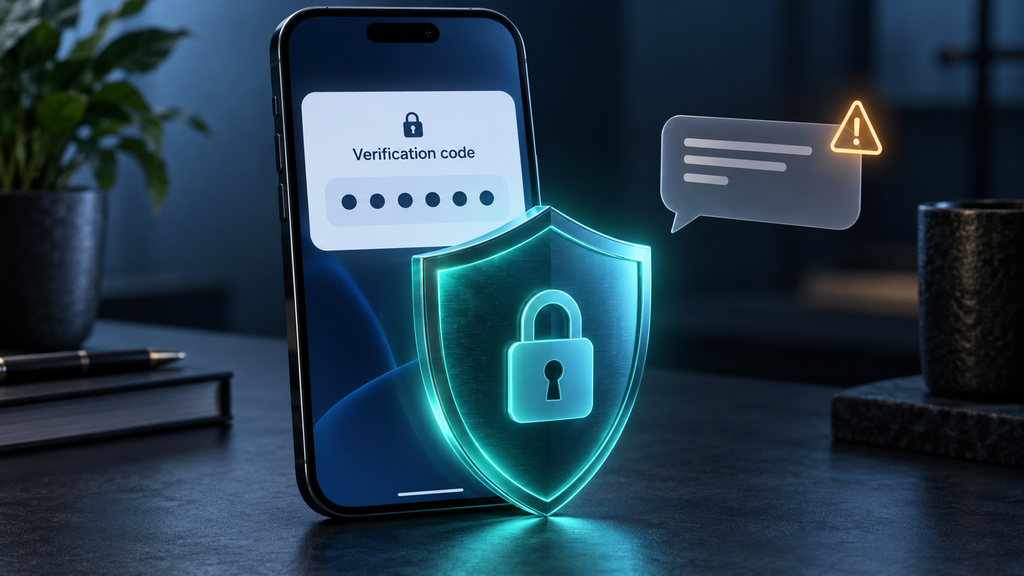
6. Treat Requests for Login Codes as a Serious Warning
An unexpected caller may claim they need a security code to cancel a transaction or verify your identity.
Do not share a login or account recovery code with someone who contacted you unexpectedly. Such codes can be used to access an account.
A lookup result does not make this request safe. Stop the conversation and contact the service through its official channel.
7. Decide What the Evidence Actually Supports
After checking, place the contact into one of three practical categories:
Independently verified: You confirmed the request through the organization’s official channel.
Still unverified: You found some information, but it does not establish who contacted you or why.
Suspicious: The request involves deception, pressure, or instructions that conflict with what the actual organization tells you.
You do not need to prove a crime before deciding not to engage. An unverified request can remain unanswered while you investigate.
If you believe a call was fraudulent, preserve relevant details. In the United States, the FTC explains how to report phone scams. Outside the U.S., use your local reporting authority.
What Does Not Prove a Number Is a Scam?
Avoid relying on any one of these details:
- An international country code: People and businesses communicate across borders.
- A VoIP classification: Internet-based phone services have legitimate uses.
- No search results: The number may have little available information.
- A single online complaint: Reports can contain mistakes.
- A mismatch in a lookup: The information may need further verification.
The opposite also applies: a familiar carrier, local number, or business name is not a guarantee of safety.
Frequently Asked Questions
Can I check a suspicious number for free?
You can begin with a web search and official business listings. CatchNumber also describes a free initial number check. Review what is included before deciding whether additional report information would help.
Can a phone lookup confirm that someone is a scammer?
No. It can provide context about a number. Determining whether a request is fraudulent requires examining the communication and verifying the claims independently.
What if the number has no scam reports?
Treat it as unverified. An absence of reports does not tell you whether a particular request is legitimate.
Should I call back to test the caller?
Calling back is not an identity check. If someone claims to represent an organization, contact that organization through its official number instead.
Investigate the Number and Verify the Request
The most useful check combines available number information with an independent review of the caller’s story.
Check the number with CatchNumber, compare the available details, and verify any sensitive request before acting.


